


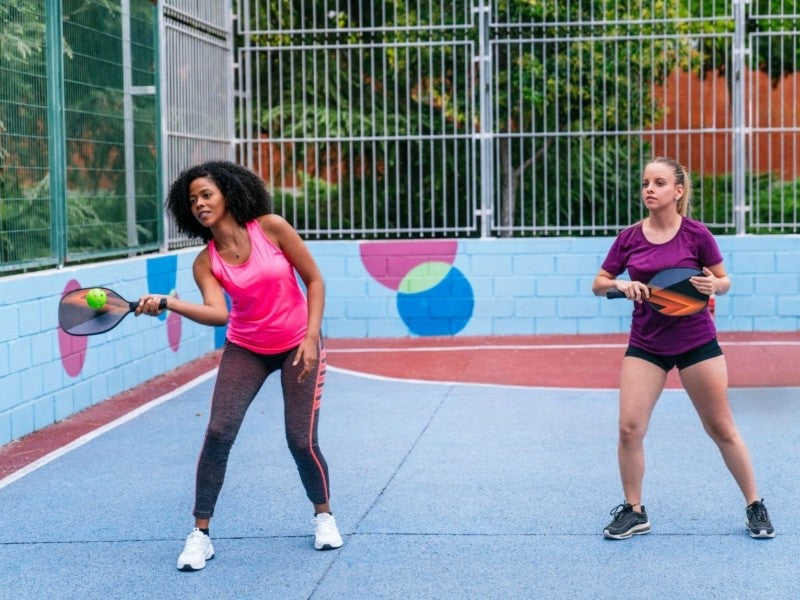
Pickleball is often described as an accessible, low-impact sport, which leads many players to underestimate the importance of proper clothing. Inappropriate clothing rarely causes problems in a single rally, but over the course of a full session, it can affect balance, reaction speed, and overall comfort.
Understanding what to wear to play pickleball is not about dressing professionally or following trends. It is about choosing clothing that supports the specific movement patterns of the sport and reduces avoidable physical stress.
What to Wear to Play Pickleball: Core Clothing Principles
Before examining specific garments, it is important to establish the principles that guide effective pickleball attire.
Fabric Selection: Breathability, Stretch, and Moisture Control
Fabric choice plays a central role in comfort and performance. Ideal materials offer:
- Adequate stretch to support dynamic movement
- Breathability to manage heat during extended play
- Moisture control to reduce discomfort and chafing
Heavier fabrics or those that retain moisture tend to become restrictive over time, particularly in warm or humid conditions.
Fit and Cut: How Proper Fit Improves Movement Efficiency
Fit is often overlooked in favor of appearance, yet it has a measurable impact on movement quality.
- Overly tight clothing restricts circulation and joint mobility
- Loose or oversized garments increase drag and distraction
Properly fitted clothing follows the body’s movement without clinging or shifting excessively. This balance allows players to focus on positioning and shot execution rather than constant adjustment.

What to Wear to Play Pickleball: Upper Body Clothing Explained
Short Sleeve, Sleeveless, and Long Sleeve Options
Upper-body clothing should allow full shoulder rotation and arm extension. Sleeve length is largely a personal choice, but functionality remains the priority.
- Sleeveless options maximize airflow and range of motion
- Short sleeves balance coverage and flexibility
- Long sleeves may be appropriate in cooler conditions if fabric stretch is sufficient
The key is ensuring that arm movement remains unrestricted during overhead shots and quick volleys.
Necklines, Seams, and Shoulder Mobility
Design details often have a greater impact than fabric alone. Tight necklines, rigid seams, or poorly placed shoulder stitching can limit motion or cause irritation during repeated swings.
Smooth seam placement and flexible shoulder construction help maintain comfort throughout play.
Common Upper-Body Clothing Mistakes
Some tops appear athletic but are poorly suited for pickleball. Common issues include:
- Minimal stretch across the shoulders
- Heavy fabrics that trap heat
- Seams that rub during repetitive arm movement
Recognizing these issues early helps players make better long-term choices.
What to Wear to Play Pickleball: Bottoms and Lower-Body Clothing
Shorts vs Pants vs Skirts
Lower-body clothing must accommodate frequent lunging and bending.
- Shorts should allow free leg movement without riding up
- Skirts function best with secure inner liners
- Pants should remain flexible at the knee and hip joints
The right choice depends on environment and comfort preferences, but mobility should never be compromised.
Length, Stretch, and Waistband Design
Length influences stability and comfort more than appearance. Shorts that are too long can restrict knee movement, while overly short designs may shift during play.
Stretch and waistband security ensure garments stay in place during dynamic movement.
What Not to Wear When Playing Pickleball (And Why It Matters)
Knowing what to wear to play pickleball is only half of the equation. Equally important is understanding what not to wear. Many comfort, mobility, and injury issues on the court stem from clothing that appears suitable but performs poorly under real playing conditions.
Cotton-Heavy Clothing
Cotton absorbs moisture rather than wicking it away. During active play, this leads to:
- Heavier garments as sweat accumulates
- Increased friction against the skin
- Reduced temperature regulation
As matches extend, cotton clothing tends to sag and restrict movement, particularly in the shoulder and hip areas.
Loose or Baggy Apparel
Oversized shirts or shorts may feel comfortable initially, but they create unnecessary distractions:
- Fabric catching during arm swings
- Shorts shifting during lateral movement
- Increased wind resistance in outdoor play
Pickleball requires quick reactions, and even minor clothing interference can affect consistency.
Jeans, Casual Pants, and Non-Athletic Skirts
Denim and casual fabrics lack the elasticity required for repeated bending and lunging. Similarly, skirts without integrated liners often shift during play, forcing players to readjust frequently.
These garments not only reduce comfort but also increase the risk of restricted movement near the kitchen line.
Inappropriate Footwear (A Critical Mistake)
While shoes are discussed in detail below, it is worth noting that running shoes or casual sneakers are among the most common and costly mistakes new players make. They are designed for forward motion, not lateral stability.
Why Pickleball Requires Court-Specific Shoes
Running Shoes vs Court Shoes
Running shoes prioritize forward propulsion and cushioning. In pickleball, this design increases the risk of:
- Ankle rolling during lateral movement
- Reduced traction during sudden stops
Court shoes are engineered with flatter soles, reinforced sides, and tread patterns optimized for court surfaces.
Indoor vs Outdoor Court Considerations
- Indoor courts require non-marking soles and controlled grip
- Outdoor courts demand more durable outsoles to handle abrasive surfaces
Selecting shoes appropriate to your playing environment extends their lifespan and maintains consistent traction.

Beginner vs Advanced Player Clothing Needs
Beginner Priorities
New players benefit most from:
- Comfortable, forgiving fits
- Simple, breathable fabrics
- Reliable court shoes
At this stage, consistency and comfort outweigh fine-tuned performance features.
Advanced Player Considerations
Experienced players often seek:
- Precise fit to minimize fabric movement
- Enhanced moisture control
- Footwear matched to playing style and surface
As skill increases, clothing choices increasingly influence efficiency and endurance.
Frequently Asked Questions About What to Wear to Play Pickleball
What should a complete beginner wear to play pickleball for the first time?
A beginner does not need specialized pickleball-branded apparel. The priority should be comfortable athletic clothing that allows full range of motion and stable court shoes designed for lateral movement.
Avoid casual clothing or running shoes, as they often restrict movement or lack side support, which can affect balance and confidence during play.
Can I wear running shoes for pickleball if that’s all I have?
Running shoes are not ideal for pickleball, even for casual play. They are designed for forward motion and cushioning rather than side-to-side stability.
Wearing running shoes increases the risk of ankle strain during lateral shuffles and quick stops, which are fundamental movements in pickleball.
What type of clothing causes the most problems on a pickleball court?
The most problematic clothing includes:
- Cotton-heavy fabrics that retain sweat
- Jeans or stiff casual pants
- Loose garments that shift or catch during movement
These items often lead to discomfort, distraction, and reduced mobility over time.
Does what I wear really affect pickleball performance, or is it just comfort?
Clothing directly affects performance by influencing mobility, balance, and fatigue. Restricted movement or unstable footwear can interfere with shot preparation and recovery, especially during fast exchanges near the kitchen line.
Is it okay to wear accessories like hats, watches, or jewelry while playing?
Lightweight hats or sweatbands may be helpful, especially outdoors. However, dangling jewelry, bulky watches, or hard accessories should be avoided as they can distract or pose safety risks during active play.
How do I know if my shoes are suitable for pickleball?
Suitable pickleball shoes provide lateral stability, a flat and supportive sole, and reliable traction on court surfaces. If shoes feel unstable during side steps or sudden stops, they are likely not appropriate for pickleball.
Can improper clothing increase injury risk over time?
Yes. While improper clothing may not cause immediate injury, it can contribute to cumulative strain on joints and muscles. Poor footwear and restrictive clothing increase fatigue and reduce movement efficiency, which elevates long-term risk.
What’s the simplest rule to follow when deciding what to wear to play pickleball?
Choose clothing that supports unrestricted movement, manages moisture, and provides stable footing. If an item distracts you, shifts constantly, or feels unstable, it is not suitable for pickleball.

Leave a comment
This site is protected by hCaptcha and the hCaptcha Privacy Policy and Terms of Service apply.