
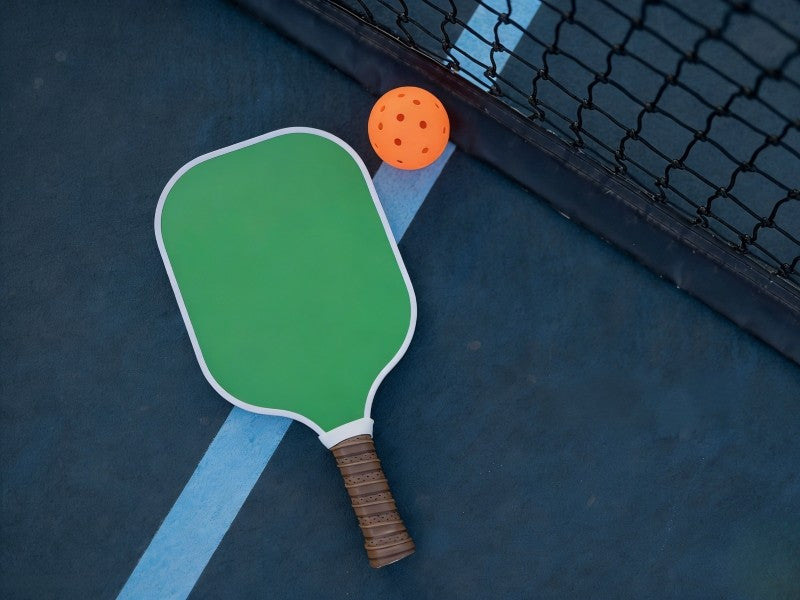
Pickleball paddles are a key factor in performance, comfort, and injury prevention on the court. Yet many players underestimate the importance of maintaining and repairing them. Over time, paddles can suffer from cracks, edge damage, and loose handles—issues that affect shot control, consistency, and safety.
Common Paddle Materials and Layer Structure
Modern pickleball paddles are composed of three main parts: the face, the core, and the handle.
Face Materials:
- Graphite: Lightweight, provides crisp feedback; prone to surface scratches but generally repairable for minor damage.
- Fiberglass: Slightly heavier, more flexible; minor cracks may be patched with specialized adhesives.
- Composite / Carbon Fiber: High-performance materials; structural cracks are often irreparable without professional intervention.
Core Types:
- Polymer cores: Soft, quiet, and responsive; minor surface indentations can sometimes be smoothed.
- Nomex cores: Hard and durable; once cracked, the core cannot be reliably repaired.
- Aluminum or honeycomb: Rare, specialized cores; damage is usually permanent.
Edge Guard & Handle:
The edge guard protects the paddle’s perimeter from impact. Handles may include a grip layer and an internal connection to the face and core. Damage to these components is often repairable if caught early.

Common Types of Pickleball Paddle Damage
Understanding common damage types is the first step in assessing whether repair is possible.
Surface Cracks and Face Damage
Surface cracks are the most frequently reported issue. They can be categorized as:
- Hairline Cracks: Minor surface cracks that do not penetrate the core; often do not affect paddle performance immediately but can worsen over time.
- Structural Cracks: Cracks extending through the face into the core; significantly affect the paddle’s sweet spot, power transfer, and stability.
Scratches, dents, and minor chips are usually cosmetic and do not require immediate repair unless they become deeper cracks.
Edge Guard Damage and Separation
Edge guards absorb impacts from walls, courts, and accidental collisions. Common damage includes:
- Cracks along the edge guard
- Partial detachment from the paddle face
- Warping or gaps that expose the paddle core
Damaged edge guards can alter paddle balance and may eventually lead to core exposure if left unaddressed.
Loose or Spinning Handles
Loose handles are a safety concern that players often overlook. Signs include:
- Handle rotation relative to the paddle face
- Audible clicking or rattling
- Reduced control during shots, especially volleys and dinks
Handle issues can arise from grip wear, adhesive failure, or internal connector loosening.
Core Damage (Often Misdiagnosed)
Core damage is difficult to detect without close inspection. Indications may include:
- “Dead” spots on the paddle face where hits feel weak or inconsistent
- Soft spots or compression when pressing the face
- Unexplained changes in paddle balance
Unlike face or edge damage, core problems are usually irreversible.
Can a Cracked Pickleball Paddle Be Repaired?
Not all cracks are created equal. Determining whether a paddle can be safely repaired depends on crack type and location.
Hairline Cracks vs Structural Cracks
- Hairline Cracks: Can often be repaired using specialized adhesives or filler compounds, particularly if the crack is only on the surface.
- Structural Cracks: Cracks that penetrate through the face to the core compromise paddle integrity and performance; repair is generally unsafe.
Temporary Fixes vs Long-Term Risks
DIY fixes can stabilize minor cracks temporarily. However, improper repairs may:
- Alter paddle balance
- Reduce sweet spot consistency
- Lead to sudden failure during play
Players should weigh the benefits of temporary fixes against the risk of performance loss or injury.
When Cracks Mean the Paddle Is No Longer Safe to Use
If a crack:
- Extends to the core
- Causes noticeable changes in bounce or power
- Results in rattling or unstable feel
…it is safer to retire the paddle rather than attempt repair.
Pickleball Paddle Edge Guard Repair
Edge guards are often the easiest part of a paddle to repair. Understanding options is key to restoring function without compromising performance.
Why Edge Guard Damage Is So Common
The edge guard absorbs side impacts, accidental net hits, and court contact. Over time, the repeated stress may lead to:
- Cracks along the edge
- Partial detachment
- Material fatigue causing gaps
Even small edge guard gaps can expose the paddle core to further damage.
Edge Guard Repair Options
- Re-gluing or Re-securing: Using strong adhesive to reattach partially detached sections.
- Replacement Edge Guards: Some manufacturers provide replacement kits; suitable for moderate damage.
- Temporary Reinforcement: Tape or epoxy for short-term fixes; best used only for practice or casual play.
How Edge Damage Affects Paddle Balance and Control
Even minor edge damage can subtly shift paddle weight distribution, affecting control and swing feel. Regular inspection prevents small issues from escalating.
How to Fix a Loose Pickleball Paddle Handle
Loose handles can compromise safety and shot accuracy. Early detection is crucial.
Signs Your Handle Needs Repair
- Handle rotates or wobbles relative to paddle face
- Grip material feels loose or compressed
- Clicking or rattling sounds during swings
Handle Repair Methods
- Grip Replacement: Worn or stretched grips can be removed and replaced with new wrap material.
- Adhesive Re-Seating: Internal connections can sometimes be stabilized using recommended adhesives.
- Professional Assistance: For persistent looseness or internal connector failure, professional repair is advised.

DIY Pickleball Paddle Repair: What You Can (and Should Not) Do at Home
Many players search for pickleball paddle repair solutions hoping to fix problems themselves. While some minor issues are suitable for DIY repair, others can worsen the damage if handled incorrectly.
Repairs Suitable for DIY
The following repairs are generally safe for at-home attempts:
Replacing or rewrapping grips
Grip wear is cosmetic and functional rather than structural. Replacing grips restores comfort and control without affecting paddle integrity.
Reattaching partially loose edge guards
If the edge guard has separated slightly but the core is intact, careful reattachment using appropriate adhesive can stabilize the paddle.
Minor surface sealing
Very small hairline surface cracks can sometimes be sealed to prevent moisture ingress, though this should be considered a temporary solution.
Repairs You Should Avoid Attempting Yourself
Some repairs pose significant risks when done without professional tools or expertise:
- Structural face cracks that extend into the core
- Core compression or crushing
- Internal handle detachment
DIY attempts on these issues often lead to uneven paddle response, altered balance, and potential safety hazards during play.
Common DIY Mistakes That Make Damage Worse
Players attempting pickleball paddle repair at home often unintentionally cause further damage by:
- Using incorrect adhesives that harden unevenly
- Applying excessive pressure during repairs
- Ignoring alignment, which affects paddle balance
Understanding limitations is as important as knowing what can be fixed.
Pickleball Paddle Repair vs Replacement
This is one of the most common decision points for players.
Performance After Repair
Even successful repairs may slightly alter feel, balance, or sound. Competitive players should be cautious, as minor inconsistencies can affect precision and confidence.
Longevity of Repaired Paddles
Most repairs extend paddle life temporarily rather than permanently. Understanding that repairs may offer months—not years—of additional use helps set realistic expectations.
Competitive and Tournament Considerations
Some leagues or tournaments may restrict paddles that have been structurally altered. Players competing regularly should verify equipment compliance after repair.
How to Extend Paddle Life and Reduce Future Repairs
Prevention remains the most effective form of pickleball paddle repair.
Proper Storage and Transport
- Store paddles in protective covers
- Avoid extreme temperatures
- Keep away from prolonged moisture exposure
Improper storage accelerates adhesive failure and material fatigue.
Playing Habits That Cause Hidden Damage
Repeated ground contact, aggressive net play, and improper paddle handling contribute to premature wear. Awareness reduces unnecessary stress on the paddle.
Routine Inspection and Preventive Maintenance
Regularly checking edge guards, grips, and face surfaces allows early intervention before minor issues become unrepairable damage.
Frequently Asked Questions About Pickleball Paddle Repair
Can a repaired pickleball paddle perform like new?
In most cases, repaired paddles perform adequately for recreational play but rarely return to original factory performance.
Is it safe to keep playing with a cracked paddle?
Minor surface cracks may not pose immediate risk, but structural cracks compromise safety and should not be ignored.
Does repairing a paddle affect its sweet spot?
Yes. Structural repairs often alter the sweet spot and paddle response, particularly if the face or core is involved.
How long can a repaired pickleball paddle last?
Longevity depends on damage severity and repair quality. Many repairs provide short- to medium-term use rather than long-term restoration.
When should a pickleball paddle be replaced instead of repaired?
Replacement is recommended when the core is damaged, cracks penetrate multiple layers, or repairs exceed the paddle’s value.

Leave a comment
This site is protected by hCaptcha and the hCaptcha Privacy Policy and Terms of Service apply.