


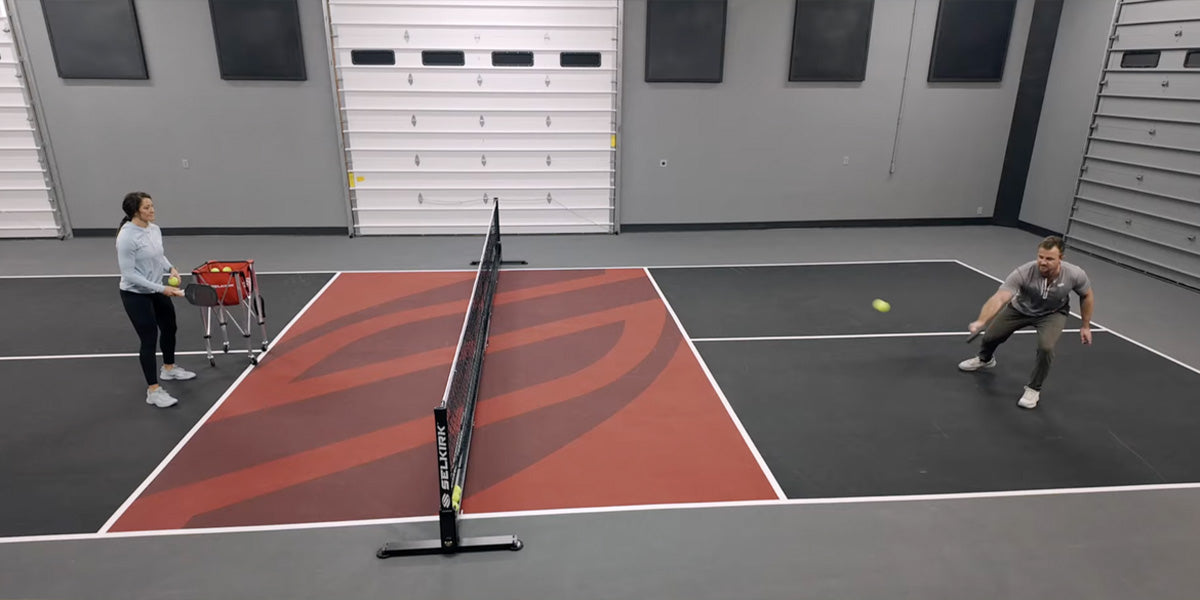
Pickleball drills are structured practice exercises designed to help players improve specific skills such as control, consistency, footwork, and reaction speed. Whether you’re a beginner learning the basics or an intermediate player looking to level up, regular drills are one of the fastest ways to build confidence and perform better in real games. Instead of just playing matches, focused practice allows you to repeat key movements and reduce unforced errors over time. In this guide, you’ll learn 10 effective pickleball drills that are simple to follow and suitable for different skill levels. Each drill is practical, easy to apply, and can be used in both solo and partner training sessions to help you improve your game step by step.
Why Pickleball Drills Matter: Beyond the Match
While jumping straight into a competitive game is the most exciting part of the sport, relying solely on match play can often plateau your progress. This is where structured pickleball practice becomes your greatest asset. If you want to improve your game, you must move beyond just "playing" and start "training."

The primary benefit of dedicated drills is the development of consistency. In a standard match, you might only hit a handful of third-shot drops or backhand volleys. During a drill session, however, you can hit that same shot fifty times in a row. This repetition builds the muscle memory required to execute difficult shots under pressure without overthinking.
Beyond consistency, drills are the ultimate tool for refining control and reaction times. By isolating specific movements—such as dinking at the kitchen or handling fast-paced volleys at the net—you sharpen your hand-eye coordination and footwork. This technical foundation ensures that when you are in the heat of a rally, your body knows exactly how to respond.
Ultimately, the goal of every drill is to enhance your match performance. Players who commit to regular drills find they have more "tools in their kit," allowing them to dictate the tempo of the game rather than just reacting to their opponent. Whether you are practicing solo or with a partner, investing time in drills is the most efficient way to transform from a casual player into a consistent, high-performing competitor.
How to Practice Pickleball Drills Effectively
Practicing pickleball drills the right way can make a big difference in how quickly you improve. Instead of long, unfocused sessions, aim for short and consistent practice. A focused session of 15–30 minutes is often enough to work on specific skills without losing concentration or form. Quality matters more than quantity.
You can practice both solo and with a partner, depending on your goal. Solo drills—such as wall practice, shadow swings, or serve repetition—are great for building consistency and muscle memory. Partner drills, on the other hand, help you improve timing, control, and real-game coordination, especially for rallies, dinking, and positioning.
For steady progress, try to practice 3–4 times per week. This frequency allows you to build skills gradually without burnout. It’s also helpful to focus on one or two skills per session, rather than trying to improve everything at once.
Most importantly, stay intentional. Set a simple goal for each session—such as improving your soft shots or reducing errors—and track your progress over time. With regular, structured practice, you’ll see noticeable improvements in both confidence and performance on the court.
Top Pickleball Drills (Step-by-Step)
To improve your pickleball skills efficiently, it’s important to practice drills that target specific areas like control, consistency, and reaction speed. Below are 10 practical drills, organized by skill level, each with clear steps you can follow.
Dinking Drill
Purpose: Improve soft touch and control at the net
How to Do It:
1. Stand at the kitchen line with a partner
2. Hit soft shots crosscourt into the non-volley zone
3. Keep the rally going as long as possible
Pro Tips: Keep your paddle up and stay relaxed
Skill Level: Beginner
Shadow Swing Drill
Purpose: Build proper swing technique and muscle memory
How to Do It:
1. Practice your forehand and backhand swings without a ball
2. Focus on form, balance, and follow-through
3. Repeat slowly and consistently
Pro Tips: Use a mirror or record yourself if possible
Skill Level: Beginner
Wall Rebound Drill
Purpose: Improve reaction time and consistency
How to Do It:
1. Hit the ball against a wall at a steady pace
2. Control the rebound and maintain rhythm
3. Alternate between forehand and backhand
Pro Tips: Start slow, then increase speed gradually
Skill Level: Beginner
Serve Accuracy Drill
Purpose: Improve serve consistency and placement
How to Do It:
1. Aim for specific target zones in the service box
2. Hit 10–20 serves per side
3. Track how many land in the target area
Pro Tips: Focus on consistency before power
Skill Level: Beginner
Third Shot Drop Drill
Purpose: Master one of the most important shots in pickleball
How to Do It:
1. Start at the baseline with a partner at the net
2. Hit a soft third shot that lands in the kitchen
3. Move forward after each shot
Pro Tips: Keep the ball low and controlled
Skill Level: Intermediate
Crosscourt Rally Drill
Purpose: Build consistency and directional control
How to Do It:
1. Rally crosscourt with a partner
2. Keep shots controlled and accurate
3. Try to extend the rally length
Pro Tips: Focus on placement, not speed
Skill Level: Intermediate
Volley Control Drill
Purpose: Improve control and stability at the net
How to Do It:
1. Stand at the kitchen line with a partner
2. Exchange volleys without letting the ball bounce
3. Keep shots soft and controlled
Pro Tips: Minimize backswing and stay balanced
Skill Level: Intermediate
Fast Hands Drill
Purpose: Improve reaction speed during fast exchanges
How to Do It:
1. Stand close to your partner at the net
2. Exchange quick volleys
3. Maintain a fast but controlled pace
Pro Tips: Keep your paddle up and ready
Skill Level: Advanced
Transition Zone Drill
Purpose: Improve movement from baseline to net
How to Do It:
1. Start at the baseline
2. Hit a shot, then move forward step by step
3. Practice stopping and hitting in control
Pro Tips: Stay low and balanced while moving
Skill Level: Advanced
Lob and Overhead Drill
Purpose: Practice defensive and offensive high shots
How to Do It:
1. One player lobs, the other practices overhead smashes
2. Alternate roles after several shots
3. Focus on timing and positioning
Pro Tips: Watch the ball closely and adjust your feet
Skill Level: Intermediate to Advanced
By practicing these drills regularly, you can steadily improve your control, consistency, and confidence on the court. Focus on a few drills at a time, and you’ll see real progress in your overall game.

Solo Pickleball Drills You Can Practice Alone
One of the biggest misconceptions in pickleball is that you always need a partner to get better. In reality, some of the most significant gains in hand-eye coordination and muscle memory happen during solo sessions. Whether you are at home or have a few minutes alone on the court, these drills will keep your game sharp.
1. The Wall Volley Challenge
The wall is your best coach—it never misses. Find a flat wall and mark a line 34 inches high to simulate the net. Stand about 5–7 feet back and practice hitting consecutive volleys without letting the ball hit the ground.
Focus: Keep your movements compact and your paddle in the "ready position" between every hit. This is the ultimate way to increase your reaction speed for net exchanges.
2.Solo Serve Consistency
Since the serve is the only shot in pickleball that you have 100% control over, there is no excuse not to master it. Take a bucket of balls to the baseline and practice hitting deep serves into the back third of the court.
Focus: Don’t just hit the ball over; aim for specific spots (corners vs. the T). Consistency here prevents you from giving away "free points" during a real match.
3. Footwork and Shadow Swings
Great pickleball is played with the feet as much as the hands. Set up a few cones (or even water bottles) to simulate the kitchen line and practice moving laterally and split-stepping.
Focus: Practice the "shuffle step" to stay balanced. Pair this with shadow swings—mimicking your forehand and backhand strokes—to ensure your form remains fluid even when you're moving at high speeds.
4. Self-Feeding Dinks
If you have access to a court but no partner, you can practice "self-feeding." Drop the ball to yourself and practice dinking it into the kitchen, focusing on different angles and heights.
Focus: Work on the "soft feel." You want the ball to peak on your side of the net and drop vertically into the opposing kitchen, making it un-attackable.
Pro Tip: If you're practicing at home, a portable Pickleball Net and a small driveway space are all you need to transform your backyard into a high-performance training zone.
Pickleball Drills for Doubles Players
Doubles pickleball is a partnership sport. Even if you understand the score perfectly, winning points requires seamless coordination with the person standing next to you. These drills focus on the three pillars of strong doubles play: coordination, positioning, and communication. Run through these with your regular partner and watch your chemistry on the court improve quickly.
Coordination Drill: Move Together, Win Together
Purpose: Learn to shift and cover the court as a connected unit rather than two individuals.
How to Do It:
- Stand side by side at the kitchen line with your partner.
- Have a third player at the baseline hit balls randomly to the left or right.
- Without speaking, both of you must shuffle laterally together, keeping the gap between you consistent at roughly 8 to 10 feet.
Pro Tip: Imagine a 10-foot rope tied between your waists. Never let it go slack or snap tight.
Positioning Drill: Stacking and Switching
Purpose: Build comfort with advanced doubles formations like stacking and switching sides after the serve.
How to Do It:
- Start in a stacked position with both players on the same side of the court.
- After the serve or return, practice sliding into your preferred sides without colliding or hesitating.
- Repeat 10 times, alternating who initiates the switch.
Pro Tip: The player crossing behind should communicate with a simple "Switch" or "Stay." Hesitation creates the biggest defensive gaps.
Communication Drill: The "Yours" and "Mine" Rule
Purpose: Eliminate confusion on balls hit directly down the middle.
How to Do It:
- Have a coach or third player feed balls directly at the center line between you and your partner.
- Before the ball crosses the net, one player must loudly call "Mine" or "Yours."
- The other player trusts the call and holds position. No middle ball should drop without a verbal commitment.
Pro Tip: Forehand typically takes the middle ball over backhand, but a loud, early call overrides everything. Silence is the enemy of good doubles defense.
Transition Communication Drill
Purpose: Smoothly move from baseline to kitchen line without leaving a passing lane open.
How to Do It:
- Both players start at the baseline. One player hits a third shot drop and both begin moving forward.
- As you approach the kitchen, one player calls "Cover line" or "Watch middle."
- Practice stopping forward momentum together at the kitchen line, ready for the next volley.
Pro Tip: The partner not hitting the ball should watch the opponents' paddles and give a quick cue like "Attack" or "Reset."
Strong doubles teams make the game look easy because they trust their partner and their practice. Spend 10 minutes on these drills before your next match and you will find that keeping track of the score becomes secondary to simply enjoying how well you play together.
Common Mistakes When Practicing Drills
Even the most dedicated players can stall their progress by falling into bad habits during practice. To ensure your time on the court actually translates to wins, avoid these five common mistakes:
-
Focusing on Power Over Control
Many players treat drill sessions like a "power contest," hitting every ball as hard as possible. In pickleball, especially at the net, placement beats pace. If your drills don't prioritize soft touch and un-attackable ball height, you are practicing how to lose. -
Practicing Without a Specific Goal
Just "hitting the ball around" isn't drilling. Effective practice requires a target. Whether it's aiming for a specific corner during a serve or trying to hit 20 consecutive cross-court dinks, if you aren't measuring it, you aren't improving it. -
Not Tracking Your Progress
If you do not record what you did, you will not know if you are improving. Keep a simple note on your phone or a small notebook in your bag. Write down how many wall volleys you made in a row or how many third shot drops landed in the kitchen. Looking back at these numbers a week or a month later provides motivation and proof that your practice is paying off. -
Ignoring the "Ready Position" Between Shots
It’s easy to get lazy during repetitive drills. Many players drop their paddles to their waists after a hit. In a real match, this 0.5-second delay gets you "body bagged." Your training is only as good as your recovery—keep that paddle up and active after every shot. -
Neglecting Footwork During Soft Drills
It is a mistake to think that "soft" shots like dinking don't require leg work. Players often reach for the ball instead of moving their feet to get behind it. Balance is the foundation of consistency; if your feet are static during drills, your game will fall apart under pressure.
Avoiding these mistakes turns ordinary court time into deliberate, effective practice. The goal is not just to move around and sweat; it is to build skills that hold up when the score is tight and every point matters.
Quick Training Plan (Weekly Routine)
A simple weekly plan can help you stay consistent and improve faster without overtraining. You don’t need long sessions—30 minutes per session, 3–4 times a week is enough if you stay focused.

Day 1: Dinking + Control
Work on soft shots at the net. Practice dinking with a partner or use self-feed drills. Focus on keeping the ball low and consistent.
Day 2: Serve + Return
Practice accurate serves and controlled returns. Aim for target areas and build consistency before adding power.
Day 3: Volley + Reaction
Do quick volley drills at the net to improve hand speed and reaction time. Keep your paddle up and movements compact.
Day 4 (Optional): Match Simulation
Play a practice game or simulate points. Try to apply what you practiced during the week in real situations.
Keep your sessions simple and goal-focused. Track small improvements, such as fewer errors or better placement. Over time, this structured routine will help you build confidence and perform more consistently in matches.
Equipment That Helps You Train Better
To get the most out of your practice sessions, having the right gear is just as important as the drills themselves. Quality equipment ensures that the muscle memory you build during training translates perfectly to the competitive court.
- Performance Paddles: For drills focusing on "touch" and "control," using a paddle with a high-friction carbon fiber surface is essential. The Srikel AURA Pro series is specifically engineered for this, providing the grit needed to master spin and the stability to handle fast-paced volleys without vibration.
- Consistent Training Balls: Nothing ruins a rhythm like a ball that bounces inconsistently. Always practice with high-quality, 40-hole outdoor balls. Using professional-grade balls during your drills ensures your timing remains precise for match day.
- Portable Practice Nets: One of the biggest barriers to training is court availability. A high-quality portable net, like the Srikel FlashCourt 3.0, allows you to turn any flat surface—be it your driveway or a local park—into a professional training zone in under two minutes.
Investing in durable, pro-level gear doesn't just make practice more enjoyable; it ensures that every minute you spend on the court is an investment in your growth as a player.
Mastering pickleball isn't just about playing more games; it’s about intentional, focused practice. By incorporating even 2–3 of these drills into your weekly routine, you’ll start to see a significant shift in your consistency, confidence, and court awareness.
Don’t feel overwhelmed by the technicalities—start simple, focus on your control, and build your muscle memory one shot at a time. As your skills grow, so will your enjoyment of this incredible sport. Ready to elevate your performance? Grab your paddle, head to the court, and start drilling today. Your future self—and your next opponent—will certainly notice the difference.


Leave a comment
This site is protected by hCaptcha and the hCaptcha Privacy Policy and Terms of Service apply.